
Unless you’re an actual scientist, or just really cool, it’s probably been a while since you performed a science experiment in a lab or at home; and before we go any further let’s not pretend for a second that at-home science experiments aren’t fun. We took it upon ourselves to find three science experiments even adults will have fun doing, and congratulations! Even though being an adult isn’t much to brag about, at least you have the freedom to have an adult beverage while you do sciencey things at home. Let’s get started!
Lava Lamp
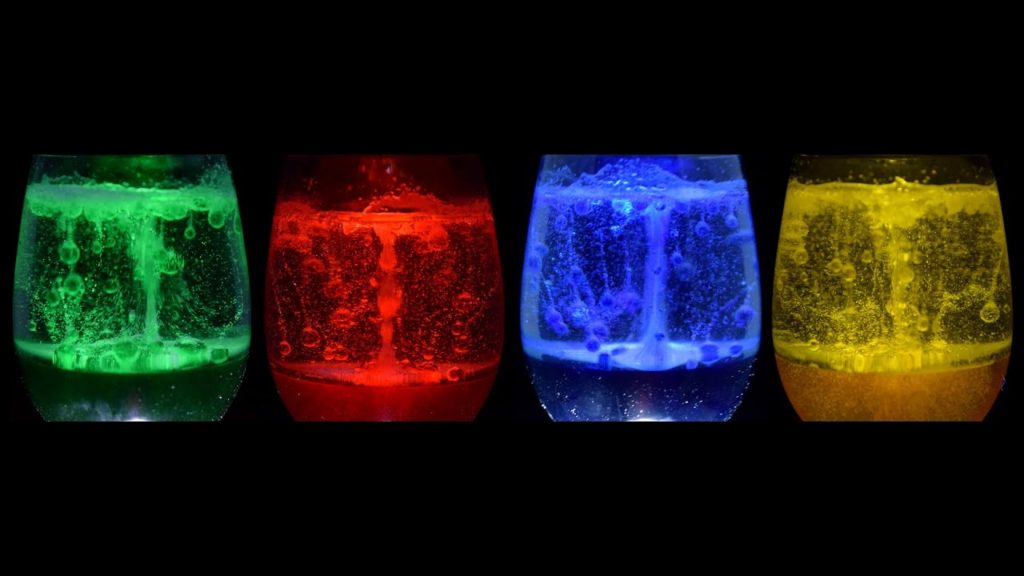
What you’ll need:
- Salt
- Water
- Vegetable oil
- Food coloring
- Large glass or jar
What you’ll do:
- Fill your glass or jar ⅔ full of water
- Pour about a drink glass size amount of oil into the water; at this time all of the oil will rise to the top
- Add food coloring
- Slowly pour 1 tsp. of salt into the glass
What’s so sciencey about that? Oil is lighter than water, so it will float to the surface. When salt is added it drags the oil to the bottom. Once the salt has fully dissolved, the oil can then rise back up to the surface, and the food coloring? Well, it just makes it look cool.
Magic Mud
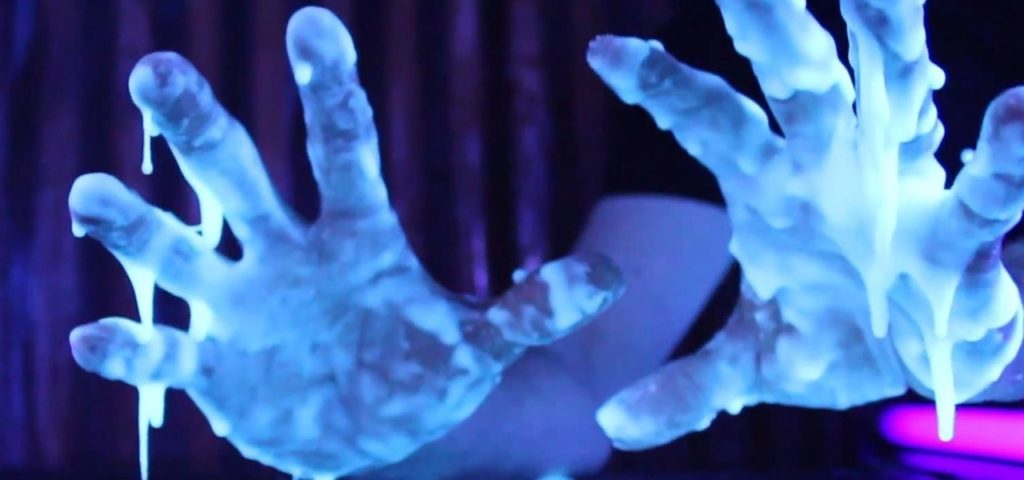
What you’ll need:
- Potatoes
- Tonic water
- A strainer
- A food processor
- Two large mixing bowls
What you’ll do:
- Chop the potatoes as small as humanely possible, and put them through your food processor if you’ve got one.
- Pour your potatoes into one large bowl and cover them completely with hot water. Let them sit for a few minutes and strain the potatoes.
- What you’re really after here is the water, let it sit for ten minutes.
- After that ten minutes, you’ll notice there is a white layer and a normal clear layer of water. Pour out that clear, normal stuff and keep the white layer.
- Flush it out with clean water.
- Next, dump out that water so you’re left with goop.
- Let your goop hand out for roughly two days and it will turn into a white poser.
- Pour your tonic water into the powder and watch your potato goop crumbs turn into magic mud.
Note: Magic Mud will also glow under a blacklight!
What’s so sciency about that? You’ll notice that while your goo is being tossed around it feels denser like dough, then when you stop it returns to goopy goo? That’s because this mixture acts as both a solid when pressure is applied and a liquid when pressure is released.
Crystal Growing (No, not that kind!)
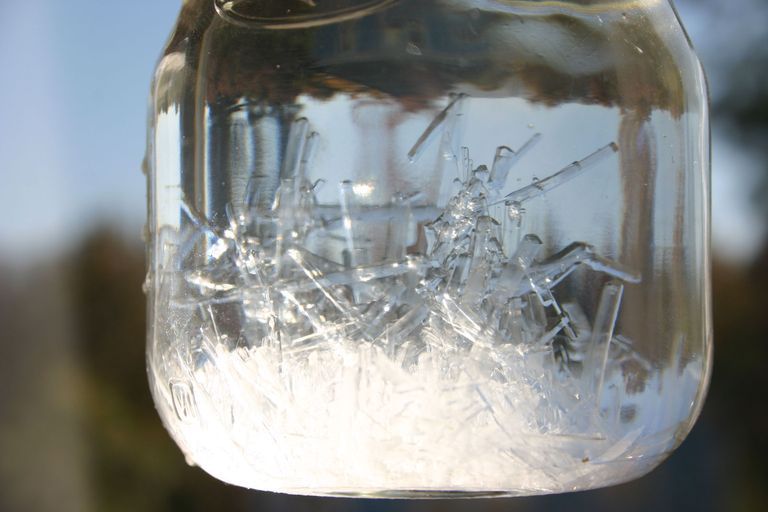
What you’ll need:
- Salt
- Water
- A piece of wire
What you’ll do:
- First, you’ll make a super saturated salt solution (to the point weather if you added any more salt, it wouldn’t dissolve)
- Make sure that while you’re performing this experiment, your solution stays warm.
- Once your solution is ready, pour it into a new container to remove any dirt traces that may be present.
- Next, take your wire and make a small loop on one end and lower it into the solution.
- Keep your container is a warm spot, then check back after a few days and you should have some pretty cool crystals growing!
What’s so sciencey about that? As the water cools down, salt becomes more soluble. This leads to precipitation and the formation of salt crystals.