
Climate change is undoubtedly one of the most defining challenges of our time. You don’t have to be glued to the news 24/7 to catch wind of the latest climate-related catastrophe – the Moroccan earthquake. You might ponder: are there research efforts toward quelling climate change? Let’s find out the progress scientists have made.

What is the Cause?
As dire as the consequences of climate change could be, the primary cause is not far-fetched. It is the excessive carbon emissions, primarily from fossil fuels, which are rapidly warming our planet. What are the sources of these emissions?

Power plants, factories, and vehicles are major sources. Surprisingly, even our electronic devices contribute about 3.7% of global emissions, as more than half of the world’s population now uses the internet.
The Cultivating Discovery: How can plants help?
This is the first research breakthrough to mention. Now that we know that excessive carbon emissions are responsible for climate change, it is only logical that the solution to this problem would be to remove these emissions from the atmosphere. Well, plants could help. How?
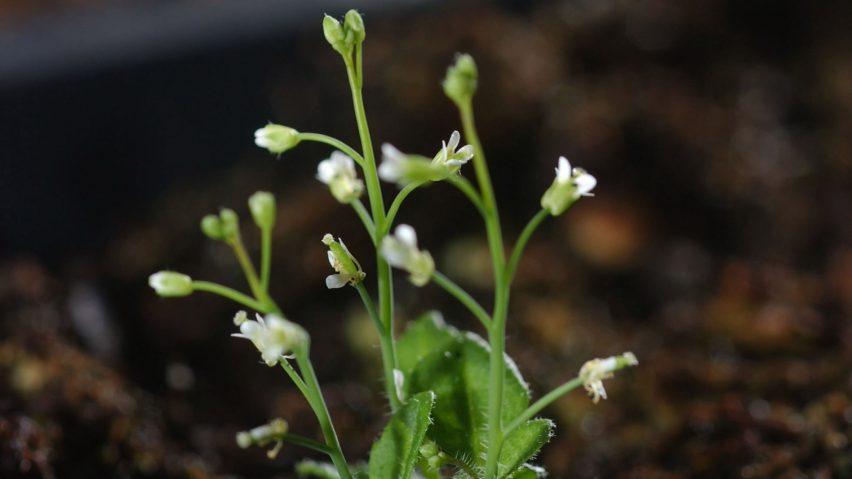
Scientists are developing deep-rooted crops using gene editing technology like CRISPR-Cas9. These “carbon-sucking” plants would be incorporated into staple crops like corn and soybeans to help keep carbon in the soil for years.
Greening Construction: Carbon-based concrete
Concrete is popularly used in construction, yet its production contributes significantly to global CO2 emissions. As a mitigation, scientists have unveiled an eco-friendly solution: a process that transforms the emissions into synthetic limestone. Why is this a laudable effort?

As you would predict, this innovation would ensure CO2 is trapped within the concrete when synthetic limestone is used for construction. However, it also offers a sustainable alternative to the production of concrete by the construction industry.
Marine life could come to our rescue
While many carbon capture methods are temporary, Project Vesta aims to create a long-lasting solution. Researchers intend to create a filter that extracts CO2 from rainwater by grinding down a naturally occurring mineral, olivine. Where does the marine come into play?

The extracted CO2 would be transformed into compounds consumed by marine organisms. The fact that the ocean would majorly drive this method makes it relatively cheaper than others. This fascinating discovery can drive efforts to reduce and reverse climate change.
Are there new alternatives to carbon-emitting technologies?
Whilst scientists uncover several technologies to reverse climate change, it is also important that the generation of carbon emissions is reduced to the minimum. As a result, newer efforts are being made to discover non-carbon-generating technologies.

A generator that can convert rain into energy has been developed– one drop is enough to light 100 small LED bulbs. There is now a new polymer that traps solar energy on clothes. Hence, our mobile devices can charge using such clothes.